


Scroll down or click here for Vacation Rental Investment ROI CalculatorInvesting in Costa Rica real estate is about more than just owning a slice of paradise; it is a business decision driven by numbers. Whether you are eyeing a beachfront condo in Jacó, a luxury villa in Los Sueños, or a boutique home in Uvita, the most common question we hear from investors is: “What will my return on investment (ROI) actually look like?”While the allure of “Pura Vida” is strong, a successful investment requires a clear-headed analysis of vacation rental ROI. This guide will walk you through the formulas, expenses, and market factors you need to estimate real estate profitability accurately in Costa Rica. We’ve included an ROI calculator at the bottom of this guide.
Introduction: Looking Beyond the Purchase Price
Many first-time investors make the mistake of calculating ROI based solely on the purchase price and a hopeful nightly rate. However, true profitability in the Costa Rican market depends on the “hidden” variables: seasonality, occupancy fluctuations, and specific local operating costs like luxury taxes or HOA fees.To make a data-driven decision, you need to move from “back-of-the-napkin” math to a structured property investment calculator approach. By itemizing every income source and expense, you can determine if a property is a high-performing asset or just a costly vacation home.
Key Metrics for Calculating ROI
Before diving into the spreadsheets, you must understand the two “gold standard” metrics used by savvy investors.
Capitalization (Cap) Rate
The Cap Rate measures the natural rate of return on the property effectively assuming you paid all cash. It allows you to compare the profitability of a condo in Costa Rica versus a stock portfolio or a property in Miami.
- Good Benchmark: In Costa Rica’s Central Pacific vacation market, a Cap Rate between 6% and 9% is generally considered healthy for a turnkey vacation rental.
Cash-on-Cash Return
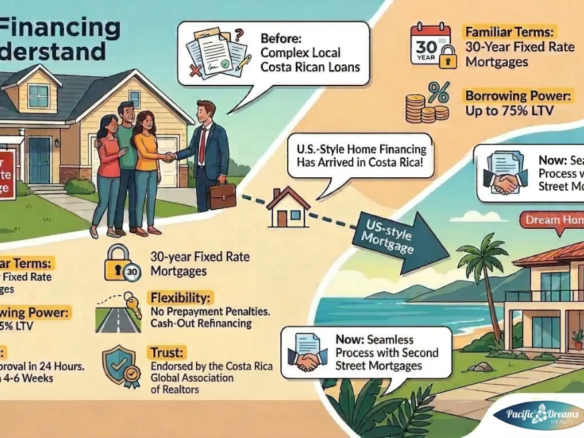
If you are financing your purchase (using a mortgage or owner financing), this metric is crucial. It measures the cash income earned on the actual cash you invested (down payment + closing costs), not the total property price.
Cash-on-Cash Return =
Annual Pre-Tax Cash Flow
Total Cash Invested
Step 1: Estimating Your Gross Rental Income
Costa Rica rental income is heavily varied by season. To get an accurate number, you cannot simply multiply a peak-season rate by 365 days.
Researching Occupancy Rates (High vs. Low Season)
Costa Rica has two distinct rental seasons:
- High Season (mid-December to April): Expect occupancy rates of 70%–90% in popular areas. This is your “harvest” season.
- Green Season (May to November): Occupancy typically dips to 40%–60%. However, savvy marketing to digital nomads and domestic tourists can stabilize these numbers.
- Conservative Estimate: For ROI calculations, use a blended annual occupancy rate of 55%–60%.
Setting Competitive Nightly Rates
Do not guess your rates. Look at comparable properties (“comps”) on Airbnb and VRBO in your specific neighborhood.
- Example: A 2-bedroom ocean-view condo might command $280/night in January but drop to $170/night in September. Your model must account for this weighted average.
Step 2: Calculating Your Annual Operating Expenses
This is where the “gross” income gets whittled down to “net.” One of the biggest variables here is your property management structure.
Property Management Fees
Unless you plan to manage the property yourself, you will need a professional team. There are generally two pricing models in Costa Rica:
- The “All-Inclusive” Model (20% – 30%): Many agencies charge a higher percentage of gross income, but this fee often covers the cost of cleaning between stays.
- The “Commission + Cleaning” Model (15%): At Pura Vida Rentals, for example, we charge a lower management fee of 15% of gross rental income. Cleaning fees (typically $50–$100 depending on size) are charged separately and are often covered directly by the guest or the owner as a distinct line item. This can usually result in higher net retention for the owner.
Insurance and Property Taxes
- Property Taxes: Surprisingly low compared to North America. The standard rate is 0.25% of the registered property value. (e.g., $750/year for a $300k property).
- Luxury Tax: Applies only to high-value residential construction (check with your attorney if your property qualifies).
- Insurance: Comprehensive home and liability insurance (essential for rentals) typically costs $800–$1,500 annually for a standard condo or home.
Utilities, Maintenance, and HOA Fees
- Electricity: In coastal areas, A/C is the biggest expense. Budget $250–$400/month for a 2-bedroom unit effectively cooled.
- HOA Fees: If you are in a gated community or condo tower, fees range from $300 to $800+ per month.
- Maintenance: Ideally, budget 1%–2% of the property value annually for painting, A/C servicing, and wear-and-tear repairs. Older properties might incur higher maintenance fees, 3%-5% or more, depending on the maintenance issue.
Putting It All Together: A Sample ROI Calculation (Online Calculator Below)
Let’s run a hypothetical scenario for a 2-Bedroom Condo in a popular beach town (e.g., Jacó or Tamarindo). We will use a standard market conservative estimate for management fees.
- Purchase Price: $350,000
- Closing Costs: ~$14,000 (approx. 4%)
- Total Investment: $364,000 (assuming all cash for Cap Rate calculation)
A. Annual Gross Income:
- High Season (100 nights @ $275): $27,500
- Green Season (110 nights @ $190): $20,900
- Total Gross Revenue: $48,400
B. Annual Operating Expenses:
- Property Management (20% – cleaning included): -$9,680
- HOA Fees ($450/mo): -$5,400
- Electricity/Water/Internet ($350/mo): -$4,200
- Property Taxes (0.25%): -$875
- Insurance: -$1,000
- Maintenance Fund: -$3,000
- Total Expenses: $24,155
C. Net Operating Income (NOI):
$48,400(Income) – 24,155(Expenses) = $24,245 NOI
D. ROI Results:
- Cap Rate: $24,245 / $350,000 = 6.9%
Result: A 6.9% net return is a strong baseline. If you utilize a management model with lower commission fees (like our 15% structure), you may be able to reduce expenses and push this Cap Rate even higher.
Factors That Can Boost Your ROI
Want to push that 6.9% closer to 8% or 10%? Here is how top-performing properties optimize for real estate profitability:
- Interior Design Matters: “Instagrammable” spaces with tropical chic decor allow you to charge a premium (20%+) over outdated neighbors.
- Target Niche Markets: Installing high-speed fiber optic internet and ergonomic workspaces can make your unit a magnet for “work-from-anywhere” professionals during the slower Green Season.
- Response Time: If you are self-managing or vetting a property manager, ensure response times are under 1 hour. Algorithms favor responsiveness, leading to higher search rankings and occupancy.
- Review Management: A 5-star average isn’t just vanity; it’s revenue. Properties with 4.8+ stars can command consistently higher nightly rates.
Conclusion: Making an Informed, Data-Driven Investment
Calculating vacation rental ROI in Costa Rica requires honesty about expenses and realistic expectations about income. By looking beyond the purchase price and understanding metrics like Cap Rate, you can identify properties that offer not just a dream lifestyle, but a sound financial future.
The Costa Rican market is dynamic. Whether you are looking for a high-yield condo or a capital-appreciation estate, the key is running the numbers before you sign the deed.
[roi-calculator]



Únete al foro